



Kwankwaso’s Influence Overrated in Kano, Can’t Affect Tinubu’s Votes – NNPP.
By Bala Salihu Dawakin Kudu
Democracy Newsline
January 11, 2026.
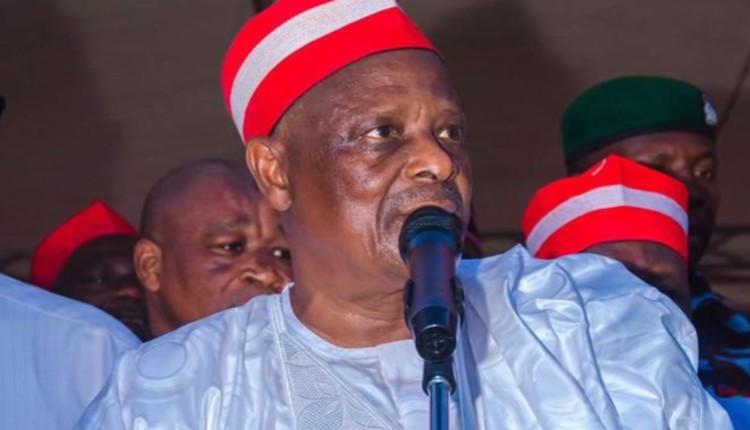
The National Secretary of the New Nigeria Peoples Party (NNPP), Ogini Olaposi, has declared that the political influence of the party’s former presidential candidate, Senator Rabiu Musa Kwankwaso, has significantly waned in Kano State and can no longer pose any threat to President Bola Ahmed Tinubu’s electoral fortunes in the state ahead of the 2027 general election.
Olaposi, in a statement signed on Sunday, described claims of Kwankwaso’s continued dominance in Kano politics as exaggerated and misleading, insisting that the former governor’s grip on the state has weakened considerably over time.
- Advertisement -
According to him, Kwankwaso’s influence, once formidable during his tenure as governor, has since diminished due to internal party crises, defections, and what he termed a loss of political relevance both within Kano State and at the national level.
“Kwankwaso’s influence as a former governor of Kano State is long gone and cannot affect President Bola Tinubu’s votes in Kano State in 2027,” Olaposi said.
The NNPP scribe recalled that during the 2023 presidential election, Kwankwaso emerged as the party’s sole candidate under exceptional circumstances, stressing that the situation has since changed. He emphasized that the NNPP has now thrown its presidential ticket open ahead of the 2027 polls.
“The NNPP ticket for 2027 is open to all qualified members, unlike in 2023 when it was solely given to Kwankwaso,” he stated.
“Already, we have intending presidential aspirants, including two from the NNPP diaspora, and we are open to more, including strategic alliances.”
Olaposi further revealed that internal disciplinary actions taken by the party remain valid, noting that Kwankwaso and several prominent figures associated with the Kwankwasiyya Movement were expelled following alleged anti-party activities after the 2023 presidential election.
“Anti-party activities by some members of the Kwankwasiyya Movement after the presidential election led to the expulsion of top members, including Kwankwaso, Elder Buba Galadima and others, and that decision has not been reversed,” he said.
He also dismissed claims that Kwankwaso commands massive electoral support in Kano, arguing that the supposed one million votes attributed to him in the last election have not translated into sustained political control.
“Kwankwaso does not have the selling capacity nationwide like President Bola Tinubu,” Olaposi added. “His alleged one million votes in Kano have not prevented many strategic members of the Kwankwasiyya Movement from defecting to the All Progressives Congress (APC).”
According to the NNPP National Secretary, the defections of key loyalists have further weakened Kwankwaso’s political base, making his influence in Kano “overrated at the moment.”
Olaposi maintained that President Tinubu and the ruling APC are not relying on personalities or regional strongmen ahead of 2027, but on governance performance and policy outcomes.
“President Tinubu and the APC’s selling point for 2027 is based on performance as the ruling party and not undue influence,” he said.
He concluded by reiterating NNPP’s openness to collaboration with like-minded political parties, stressing that the party remains focused on building a broad-based platform driven by ideology rather than individual political figures.
“The NNPP is open to collaborations with sister political parties that share similar ideologies in 2027,” Olaposi said, adding that the party is positioning itself for a competitive and inclusive electoral contest.
(DEMOCRACY NEWSLINE NEWSPAPER, JANUARY 12TH 2026)