





NBA Calls for Immediate Suspension of Tax Reform Laws, Demands Probe into Alleged Alteration.
By Bala Salihu Dawakin Kudu
December 23, 2025.
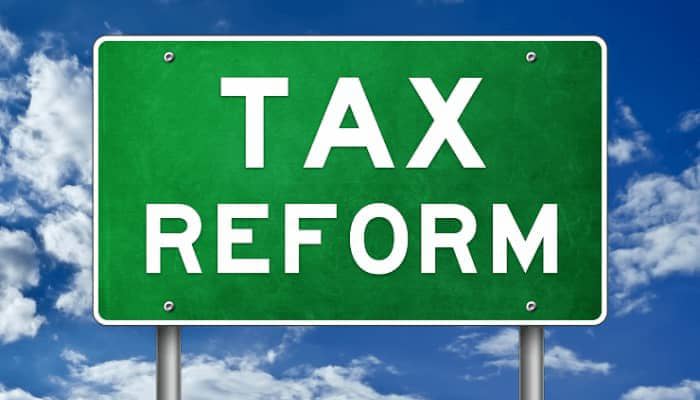
The Nigerian Bar Association (NBA) has called for the immediate suspension of the implementation of the recently enacted Tax Reform Acts, raising alarm over alleged alterations to the laws and serious procedural irregularities in their passage.
In a strongly worded statement issued on Tuesday and signed by its President, Mazi Afam Osigwe, SAN, the NBA expressed deep concern that controversies surrounding the tax laws pose a direct threat to the integrity, transparency, and credibility of Nigeria’s legislative process.
- Advertisement -
According to the association, the circumstances under which the Tax Reform Acts were passed have created significant legal and procedural uncertainties, casting doubt on whether due process was fully observed by the National Assembly. The NBA warned that such uncertainties weaken public confidence in democratic institutions and undermine the rule of law.
“The controversies that have emerged in relation to the recently enacted Tax Reform Acts raise grave concerns about the integrity, transparency, and credibility of Nigeria’s legislative process,” the statement read.
The NBA emphasized that in a constitutional democracy, lawmaking must follow clear, open, and verifiable procedures—particularly when legislation has far-reaching economic and social implications such as taxation. It noted that tax laws affect every segment of society, from individuals and small businesses to large corporations and investors, making procedural integrity non-negotiable.
Central to the NBA’s concern are allegations that the contents of the Tax Reform Acts may have been altered either during or after their passage by the National Assembly. The association called for a comprehensive, independent, and transparent investigation to establish the facts surrounding the legislative process and determine whether any unauthorized changes were made.
Pending the outcome of such an investigation, the NBA insisted that all steps toward implementing the tax laws should be suspended immediately. It warned that proceeding with implementation amid unresolved controversies would compound legal and policy uncertainty and expose the government to avoidable litigation.
The association further cautioned that uncertainty surrounding major fiscal legislation could have serious economic consequences.
“Legal and policy uncertainty of this magnitude unsettles the business environment, erodes investor confidence, and creates unpredictability for individuals, businesses, and institutions required to comply with the law,” the NBA stated, stressing that such conditions are inimical to economic stability and growth.
Reaffirming its commitment to constitutional governance, the NBA stressed that laws governing taxation and economic management must emerge from processes that are transparent, accountable, and beyond reproach. It urged relevant authorities, including the leadership of the National Assembly and the executive, to act swiftly to resolve the controversy in the interest of constitutional order, economic stability, and the preservation of the rule of law.
The call by the NBA adds to growing public scrutiny of the Tax Reform Acts and is expected to intensify debates over legislative accountability and governance in Nigeria.
Summary for Print Media
The Nigerian Bar Association (NBA) has demanded the immediate suspension of the implementation of the newly enacted Tax Reform Acts, citing alleged alterations and procedural irregularities in their passage. In a statement signed by its President, Mazi Afam Osigwe, SAN, the NBA warned that the controversy threatens the integrity of Nigeria’s legislative process and undermines public confidence in democratic institutions. The association called for a transparent investigation to determine whether the laws were altered during or after passage, cautioning that implementing the tax reforms amid unresolved issues could harm investor confidence, destabilize the economy, and weaken the rule of law.