





Tax Laws Controversy: Reps Release Certified Copies.
By Bala Salihu Dawakin Kudu
January 4, 2026.
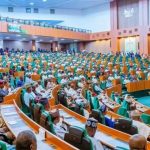
The House of Representatives has moved to douse mounting public anxiety over Nigeria’s newly enacted tax reform laws with the release of their Certified True Copies (CTCs), following allegations that unauthorised and altered versions were in circulation.
In a statement issued on Saturday, the spokesman of the House, Rep. Akin Rotimi, said the decision was taken under the directive of the Speaker, Rep. Tajudeen Abbas, after consultations with the President of the Senate, Sen. Godswill Akpabio. The move, he noted, was aimed at restoring public confidence, clarifying the authentic content of the laws, and safeguarding the integrity of the legislative process.
- Advertisement -
The four laws released are the Nigeria Tax Act, 2025; the Nigeria Tax Administration Act, 2025; the National Revenue Service (Establishment) Act, 2025; and the Joint Revenue Board (Establishment) Act, 2025—key statutes described by the House as the backbone of Nigeria’s contemporary tax reform framework.
According to Rotimi, the certified copies include the endorsement and assent pages duly signed by President Bola Tinubu, and are being made available for record, verification and reference. He stressed that these versions constitute the only authentic and authoritative texts of the laws.
The controversy first surfaced during plenary when Rep. Abdulsamad Dasuki (PDP–Sokoto) raised concerns over alleged discrepancies between the tax Bills passed by the National Assembly and the versions later gazetted and made public by the executive. Dasuki warned that any unresolved inconsistencies could undermine legislative integrity and erode public trust in the law-making process.
His intervention ignited widespread debate within and outside the National Assembly, prompting calls from legal practitioners, tax experts and civil society organisations for clarification and, in some quarters, a suspension of the implementation of the Acts pending verification.
In response, Speaker Abbas constituted a seven-member ad hoc committee chaired by Rep. Aliyu Betara, with Rep. Idris Wase, Rep. Sada Soli, Rep. Adedeji Faleke, Rep. Igariwey Iduma, Rep. Fred Agbedi and Rep. Babajimi Benson as members. The committee was mandated to investigate the circumstances surrounding the alleged alterations, how unauthorised versions entered public circulation, and to recommend safeguards against future occurrences.
Beyond setting up the committee, the Speaker also ordered an internal verification of the Acts and approved the immediate public release of the certified versions to eliminate doubts and preserve the sanctity of the legislative record.
The House underscored the strategic importance of the tax reform laws, noting that they are designed to modernise revenue administration, improve compliance, reduce inefficiencies, eliminate duplication and strengthen fiscal coordination across the federation.
Rotimi said Speaker Abbas provided firm leadership throughout the reform process, from stakeholder consultations and committee scrutiny to clause-by-clause consideration and robust plenary debates, ensuring that the reforms were inclusive, evidence-based and aligned with Nigeria’s fiscal realities.
Reassuring Nigerians, the spokesman said: “The National Assembly is an institution built on records, procedure, and institutional memory. Every Bill, every amendment, and every Act follows a traceable constitutional and parliamentary pathway.”
He emphasised that once a law is passed and assented to, its integrity is preserved through certification and legislative custody, leaving no ambiguity about what constitutes the law.
“Members of the public, institutions, professionals and stakeholders are therefore advised to disregard and discountenance any other documents or versions in circulation that are not certified by the National Assembly, as such materials do not form part of the official legislative record,” Rotimi added.
The House also disclosed that the Clerk to the National Assembly has concluded the process of aligning the Acts with the Federal Government Printing Press to ensure accuracy, conformity and uniformity. Hard copies of the certified laws have been produced and circulated to lawmakers and made available to the public to guarantee uniform reference and legislative certainty.
Meanwhile, the Betara-led ad hoc committee continues its work to determine how the unauthorised versions emerged and to propose measures to strengthen internal controls and protect parliamentary records.
Reaffirming its stance, the House pledged continued commitment to constitutionalism, the rule of law, transparency and accountable governance.
“The House will continue to strengthen internal controls, uphold institutional discipline, and protect the integrity of Nigeria’s legislative process in the collective interest of the Nigerian people,” the statement concluded.
(DEMOCRACY NEWSLINE NEWSPAPER, JANUARY 4TH 2026)