






Grassroots Mobilization and the Rise of Ramatu Ibrahim in the City Boy Movement
In political movements, success is often determined not just by structures and slogans, but by the quality of individuals entrusted with leadership responsibilities. The appointment of Ramatu Ibrahim, the Jaruma Mata of Africa and Omi-Akele Atta-Igala, as Director of Contact and Mobilization for the North Central Zone of the City Boy Movement stands out as one of the most strategic decisions the group has made since its formation.
Leadership in mobilization demands more than ceremonial titles; it requires energy, strategic thinking, and the ability to connect with people across diverse communities. From the moment she received her appointment, Ramatu Ibrahim demonstrated these qualities in abundance. Rather than settling into the comfort that often accompanies new political appointments, she immediately swung into action.
Her first major step was establishing the Directorate Office in Abuja, the nation’s Federal Capital Territory. From there, she began convening strategic meetings with various youth groups, community leaders, and stakeholders across the FCT and the broader North Central region. These engagements were not merely symbolic; they were aimed at building the organizational framework necessary for large-scale grassroots mobilization.
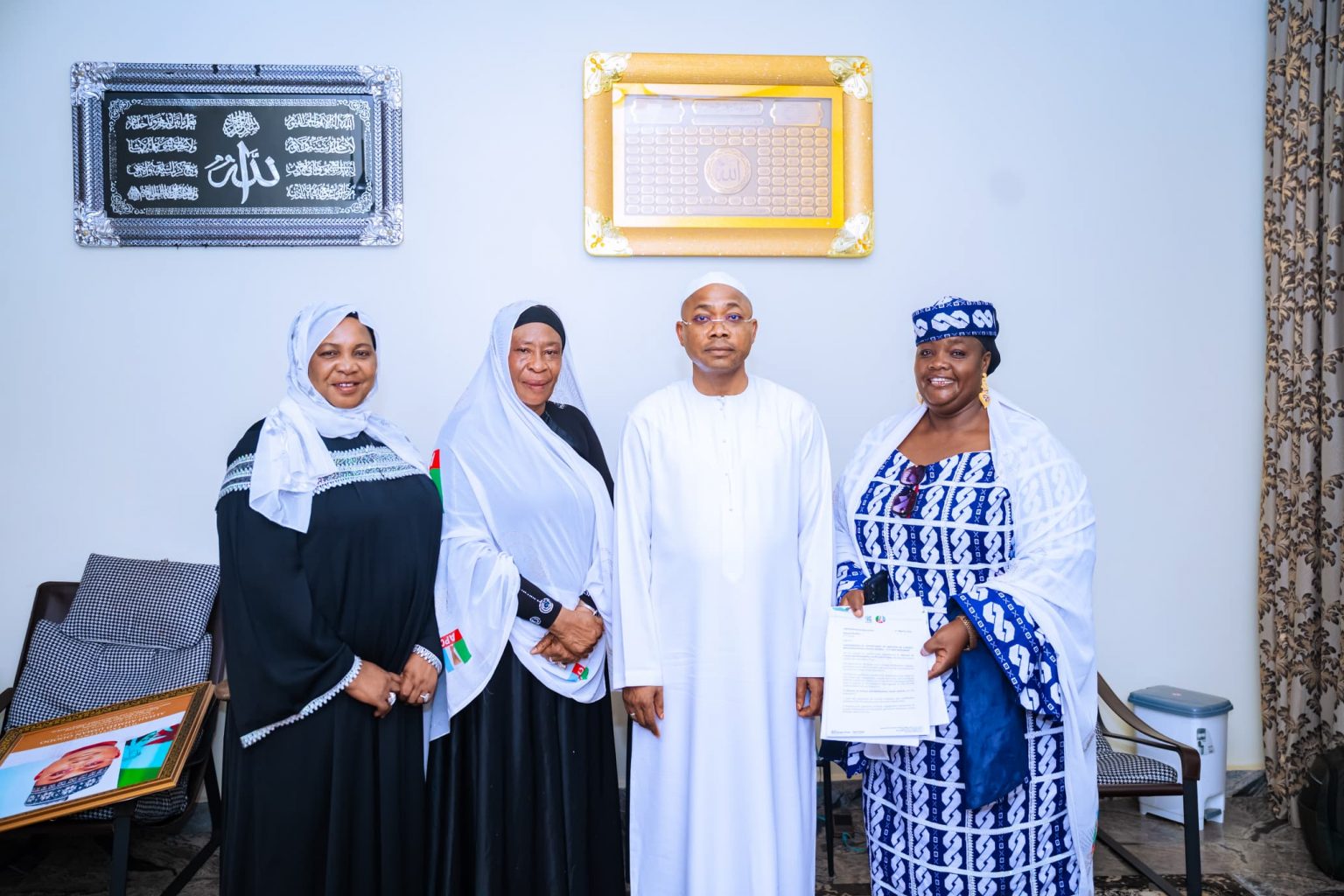
Another strategic move was the courtesy visit she paid, alongside other leaders of the movement, to the Executive Governor of Kogi State, Ahmed Usman Ododo. The visit was more than a routine political gesture—it was a deliberate effort to build institutional support, seek guidance, and strengthen collaboration in areas that would enhance youth engagement and political participation in the state.
The City Boy Movement, though primarily a youth-driven and urban-focused support structure for the All Progressives Congress and the Renewed Hope administration of Bola Ahmed Tinubu, is gradually evolving into a formidable grassroots platform. Much of this transformation can be attributed to the dedication of committed figures within the movement—individuals who see political engagement not merely as a pathway to recognition but as a tool for national development.
Among such figures, Hajiya Ramatu Ibrahim stands out. Her approach to leadership is rooted in inclusivity and collective effort. Rather than operating as a lone political actor, she has emphasized collaboration, encouraging participation from youths, community stakeholders, and grassroots networks across the North Central region. This approach has significantly expanded the reach and influence of the Directorate of Contact and Mobilization under her watch.
- Advertisement -

While the movement boasts notable personalities such as nightlife entrepreneur Obi Cubana and socialite Cubana Chief Priest, Ramatu Ibrahim’s brand of engagement reflects a different but equally powerful form of influence—one anchored in grassroots mobilization, community dialogue, and consistent advocacy.
Across the Abuja, in various states of the North Central zone, and within local communities, she has remained a visible voice for the Renewed Hope agenda. Whether at political gatherings, religious events, or social functions, she has continued to highlight the policies and initiatives of the Tinubu administration, presenting them as part of a broader vision for national transformation.
Her advocacy is not driven by blind loyalty or the fleeting excitement that often accompanies political bandwagons. Instead, it reflects a deep conviction in a leadership philosophy that prioritizes economic reform, institutional strengthening, and people-centered governance. For many observers, these are principles that the administration of Bola Ahmed Tinubu seeks to advance through its policy initiatives.
Indeed, discussions around the administration’s performance—particularly in economic reforms and institutional restructuring—continue to dominate national discourse. While opinions may vary, supporters argue that early indicators in several sectors point toward a long-term strategy aimed at stabilizing Nigeria’s economy and repositioning it for sustainable growth.
It is within this broader context that the advocacy efforts of leaders like Ramatu Ibrahim gain significance. Her belief in the Renewed Hope agenda, and her call for its continuation beyond 2027 through a possible reelection bid, aligns with the optimism expressed by some economic experts and international observers regarding the administration’s reform trajectory.
Ultimately, political movements thrive when their leaders are willing to go beyond rhetoric and invest their energy in building connections with the people. In the evolving story of the City Boy Movement in the North Central region, Ramatu Ibrahim is steadily carving out a reputation as one of those leaders—someone who understands that real political influence begins not in conference halls but among the communities where policies are meant to make a difference.
(DEMOCRACY NEWSLINE NEWSPAPER, MARCH 19TH 2026)