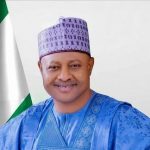



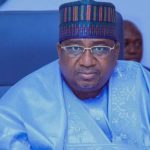



KGIRS Partners Kogi NGOs Network (KONGONET) On Tax Reforms 2025.
Kogi State Internal Revenue Service (KGIRS) has called on Stakeholders and Civil society organizations (KONGONET) to support the smooth implementation of the Nigeria Tax Acts 2025, insisting that the service will only ‘tax profit not capital.
The call was made by the Executive chairman of KGIRS, Alhaji Dr. Sule Salihu Enehe, during a sensitization capacity-building programme on the Kogi State new Taxes and Levies Law, 2025 Organised by Kogi NGOs network (KONGONET), held at the NUJ press centre, Lokoja on Wednesday.
The Chairman said KGIRS will continue to partner with KONGONET towards capacity building and training of members of civil society organizations on the 2025 Tax reforms to ensure a hitch free implementation
Dr. Enehe further said that the Acts introduced a more equitable tax structure designed to protect low-income earners, ease the burden on middle-income groups and apply higher taxes to high-income earners in line with global best practices.
He pointed out that the reforms align with the federal government’s broader tax policy aimed at enhancing tax administration and boosting state and national revenue.
”Kogi State Taxes and Levies Law, 2025 aligns with federal tax reforms, focusing on simplified, technology-driven, transparent administration, and offering relief to low-income earners, aiming for better revenue collection and economic growth”.
According to him, “This partnership involves training of stakeholders of civil society organizations on new tax acts, simplifying compliance for SMEs, and promoting digital payment to reduce leakages and enhance accountability for sustainable development”,
”KGIRS have decided engaged KONGONET on this interactive sessions and training to explain the new laws, reduce compliance burdens, and encourage voluntary payment”.
In his speech, the chairperson of KONGONET, Hamza Aliyu, while welcoming the Executive chairman of KGIRS and other Directors to the forum, said that the civil society organizations are key stakeholders in the development of Kogi and Nigeria.
The chairperson commended KGIRS for honouring the invitation to appear at the Sensitization forum, describing it as a timely step towards fostering dialogue and building collective ownership of the reforms.
He said the Acts, if implemented properly, would improve transparency in tax administration, enhance business operations and encourage investment, thereby contributing to economic growth and development in the state.
In a lecture delivered by the KGIRS Director of Income tax, Yusufu Emmanuel, with the theme “Kogi state Internal Revenue Service partnering towards capacity building for Kogi NGOs network (KONGONET) On Tax reforms 2025″, noted that the new law exempted individuals earning below N800,000 annually from tax payment, which according to him will providing significant relief to citizens in this category.
”Tax Reforms has also promote digital tax administration, reduce cash handling, and minimize human interference and fostering accountability”.
He further stressed that the goal is to create a predictable, business-friendly environment, attract investment, and boost state revenue for development, assuring members of NGOs to benefit from simplified processes and reduced compliance costs.
The Director further noted that capacity building enable members to understand their obligations and the new simplified system, reducing confusion, saying the shift to technology-driven platforms is aimed to make tax payments smoother and more transparent.
- Advertisement -
“This initiative positions Kogi State as a leader in sub-national tax reform, emphasizing collaboration for efficient and fair tax governance”,he stressed.
In a vote of thanks, Ambassador Idris Ozovehe Muraina, applauded the Executive chairman of KGIRS, Dr. Sule Salihu Enehe and other Directors for honouring the invitation to appear before members of Kogi NGOs network, (KONGONET) to give some explanation on the new tax laws 2025
Ambassador Ozovehe urged government at all levels to ensure tax payers derive visible benefits from their contributions.
He stressed the need for strict accountability and transparency as the Acts are implemented, which aligns with the government’s objective of promoting fair taxation and building a more efficient tax administration system.
(DEMOCRACY NEWSLINE NEWSPAPER, JANUARY 22ND 2026)