







Political Loyalty, Party Dynamics, and the Smart Factor
In the ever-changing terrain of Nigerian politics, where defections, shifting alliances and ideological inconsistencies have become recurring features of the democratic process, Smart Adeyemi has remained a significant figure whose political journey reflects both the complexities and realities of party politics in Nigeria. His career demonstrates how political survival is often tied not only to personal popularity but also to the ability to navigate the intricate web of party structures, internal power blocs, and evolving political interests. Over the years, Smart Adeyemi cultivated a political identity that combined personal loyalty, strategic adaptability and strong grassroots influence, thereby creating what many political observers describe as the “Smart Factor” within the political equation of Kogi State.
One of the most remarkable aspects of his political trajectory has been his understanding of political loyalty as both a personal virtue and a strategic instrument. In a political environment where loyalty is frequently tested by ambition, internal disagreements, and changing power configurations, Smart Adeyemi consistently projected himself as a committed party man who understood the importance of political structure and collective interest. Even when disagreements emerged within political circles, he often maintained a posture that reflected respect for party leadership and organisational discipline. This tendency contributed to his reputation as a politician capable of balancing personal ambition with party expectations, a quality that enabled him to maintain relevance across different political periods.
At the same time, his political career also illustrates the fluid nature of party dynamics in Nigeria’s democratic process. Nigerian politics is less driven by rigid ideological differences and more influenced by strategic alignments, regional interests, and calculations of political survival. Smart Adeyemi demonstrated a strong awareness of this political reality. His movement and interactions within party structures often reflected careful political calculations designed to preserve both his political future and the interests of his supporters. In this regard, he showed an ability to adjust to shifting political currents without completely losing his core support base at the grassroots level. This strategic adaptability became one of the defining characteristics of his political style.
- Advertisement -
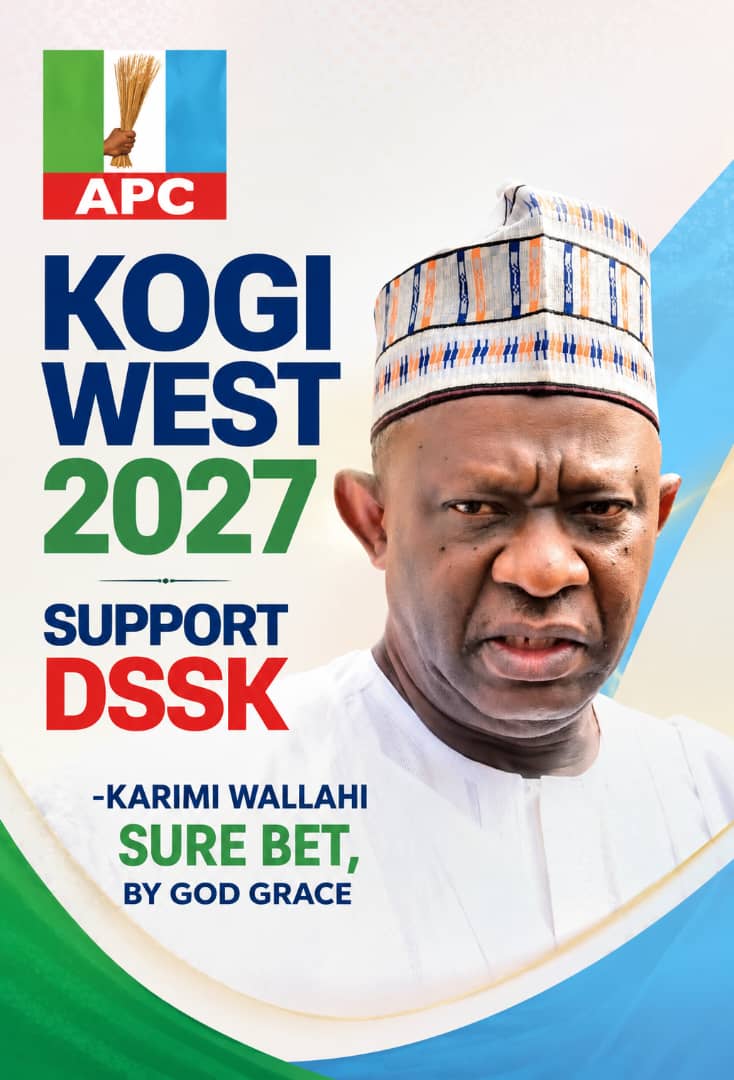
Beyond party loyalty, the “Smart Factor” also refers to his personal influence within the political landscape of Kogi State and beyond. Over time, his name evolved into more than that of an ordinary politician; it became a political brand associated with resilience, visibility, and populist engagement. Within party circles, his endorsement, criticism, or participation in political activities often attracted considerable attention because of the loyal support network he had built over the years. Many politicians understood that Smart Adeyemi possessed not just electoral value but also symbolic political weight capable of influencing political narratives, particularly in Kogi West Senatorial District, where his grassroots appeal remained significant.
Another dimension of party dynamics surrounding Smart Adeyemi is his ability to remain politically visible even during periods of internal political turbulence. Nigerian political parties are often characterised by factional struggles, leadership conflicts, and fierce competition for influence. Yet, despite these challenges, Smart Adeyemi consistently maintained a strong public presence. Whether during election campaigns, party disputes, or national political debates, he remained vocal and active. This visibility helped him sustain relevance within party structures and prevented him from fading into political obscurity, unlike many politicians whose influence diminished after leaving public office.
His political loyalty, however, should not be mistaken for political weakness or blind submission. Throughout his career, Smart Adeyemi displayed a willingness to defend his political interests and challenge developments he perceived as unjust or detrimental to democratic principles. This combination of loyalty and assertiveness created a unique political balance around his personality. He could simultaneously function as a loyal party stakeholder while also projecting himself as an independent-minded political actor willing to express dissenting views when necessary. It is this delicate balance that strengthened the perception of the “Smart Factor” as a distinct political force capable of influencing both internal party calculations and public political discourse.
Ultimately, the relationship between political loyalty, party dynamics, and the Smart Factor reflects the broader realities of Nigerian democracy where political relevance depends on endurance, adaptability, and public connection. Smart Adeyemi’s political journey reveals how an individual politician can transform personal charisma and grassroots credibility into enduring political capital within a highly competitive environment. Whether viewed from the perspective of supporters or critics, his career remains a compelling example of how political identity is constructed not only through electoral victories but also through consistent engagement with party structures, strategic resilience and sustained influence within the political system.
By Dr. Olorungbemi, a Political & Public Policy Analyst, and an Election and Party Politics Expert, writes from Abuja, Nigeria
(DEMOCRACY NEWSLINE NEWSPAPER, MAY 12TH 2026)