




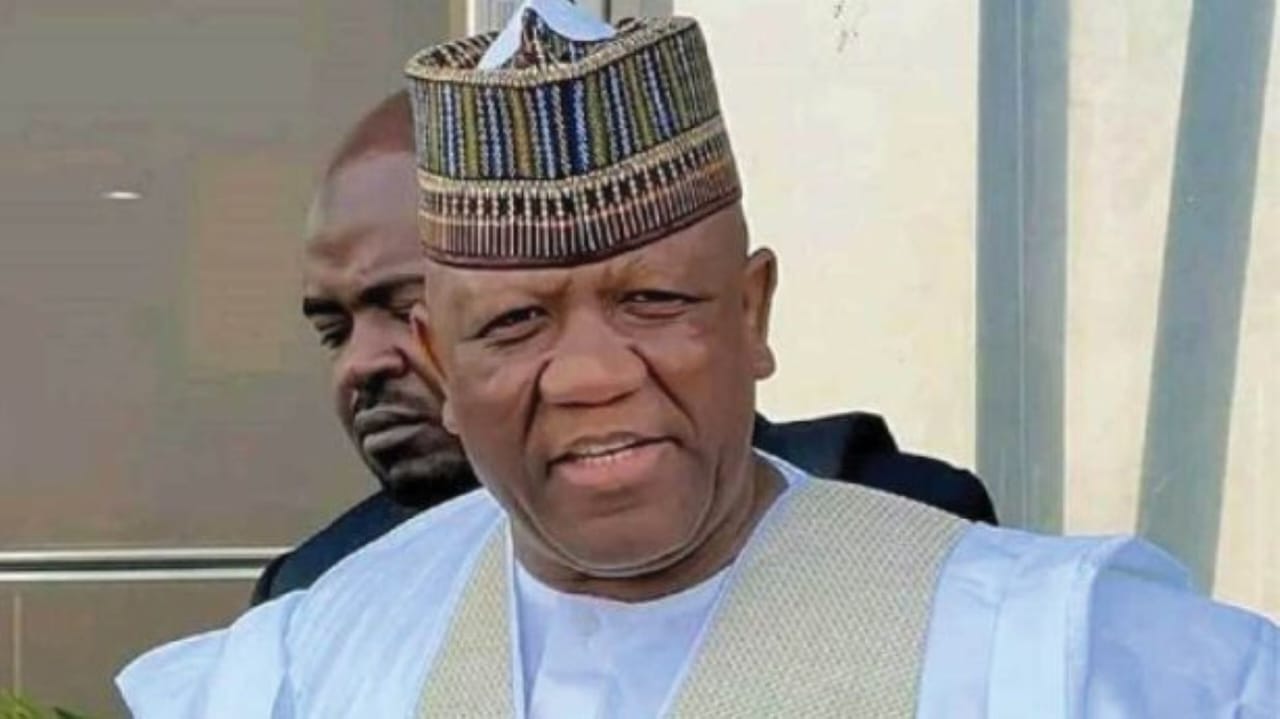

Senator Abdulaziz Yari: A Prominent Political Figure in the APC.
By Bala Salihu Dawakin Kudu
Democracy Newsline Northern Bureau Chief
July 22, 2026.
In Nigeria’s dynamic political landscape, where alliances evolve and electoral fortunes often shift, few politicians have maintained sustained relevance across multiple democratic dispensations as consistently as Senator Abdulaziz Abubakar Yari.
From his early political activities in the All Nigeria Peoples Party (ANPP) to his emergence as Governor of Zamfara State, Chairman of the Nigeria Governors’ Forum (NGF), and now Senator representing Zamfara West Senatorial District under the platform of the All Progressives Congress (APC), Yari has remained a significant figure in Nigeria’s political discourse.
- Advertisement -

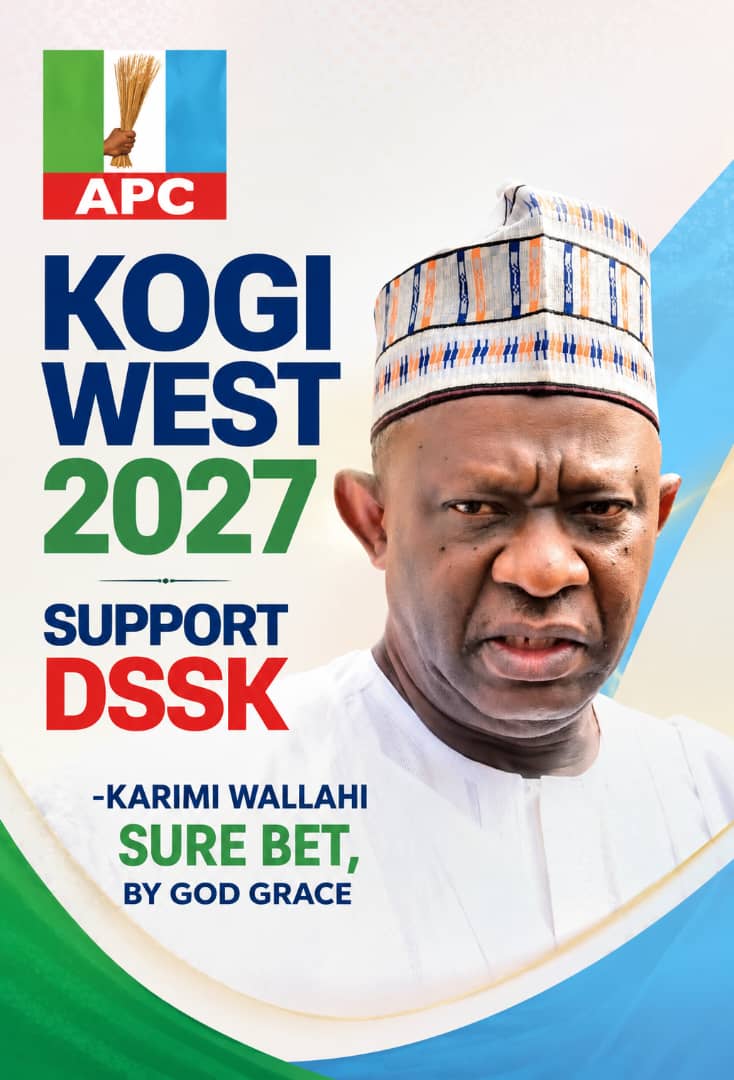
His political journey reflects more than two decades of active participation in democratic governance, legislative representation, executive leadership, and party organisation. Throughout this period, he has earned recognition as one of the APC’s influential leaders in the North-West, with supporters describing him as a politician whose grassroots appeal and organisational strength have contributed to the party’s continued presence in Zamfara State.
Yari began his political career during Nigeria’s Fourth Republic, initially building his profile within the ANPP before later joining other progressive political movements that culminated in the formation of the APC in 2013. His election to the House of Representatives provided him with valuable legislative experience and positioned him among emerging political leaders from northern Nigeria.
His election as Governor of Zamfara State in 2011 represented a defining moment in his political career. Four years later, he secured a second term following his re-election under the APC, further consolidating his influence within the state’s political establishment. During his eight-year administration, Yari pursued policies in infrastructure development, education, healthcare, agriculture, rural development, and civil service reforms, while his government also faced the complex challenges of insecurity and economic pressures confronting several states across northern Nigeria.
Beyond Zamfara, Yari’s election as Chairman of the Nigeria Governors’ Forum elevated his national profile. The position placed him at the centre of intergovernmental discussions involving state governments and the Federal Government, where issues relating to fiscal federalism, security, economic reforms, and national development frequently dominated deliberations. His tenure at the forum enhanced his reputation as a consensus builder capable of engaging with political leaders across party and regional lines.
Political observers note that one of Yari’s enduring strengths has been his ability to maintain a formidable political structure. His extensive network of supporters, community leaders, youth groups, traditional stakeholders, and party loyalists has enabled him to remain politically relevant despite changes in Nigeria’s electoral environment. His influence is particularly evident in Zamfara West Senatorial District, where many supporters credit him with nurturing generations of political leaders and strengthening the APC’s grassroots structures.
As Senator representing Zamfara West in the National Assembly, Yari continues to participate actively in legislative activities while remaining deeply involved in the strategic affairs of the APC. His emergence as the party’s senatorial candidate for the 2027 general election reflects the confidence many party members continue to place in his leadership, political experience, and electoral appeal.
Within APC circles, Senator Yari is frequently described as a strategic organiser whose experience in governance, negotiation, and political mobilisation makes him one of the party’s dependable leaders in the North-West geopolitical zone. Supporters argue that his understanding of grassroots politics, coupled with his administrative experience, enables him to contribute meaningfully to party stability and electoral planning.
Political analysts also point to his role in fostering political alliances and promoting internal party cohesion. Over the years, Yari has demonstrated an ability to engage with leaders across various interest groups, often serving as a bridge between different political tendencies within the APC. This capacity for consultation and coalition-building has reinforced his standing as one of the party’s senior figures.
Like many prominent public office holders, however, Yari’s political career has attracted differing assessments. While supporters highlight his contributions to party development, governance, and political organisation, critics maintain that his years in public office should also be evaluated against the governance challenges experienced during his administration and the broader political developments in Zamfara State. Such differing perspectives reflect the realities of democratic politics, where public records are continually examined through diverse political and civic lenses.
Despite these contrasting views, there is broad recognition that Senator Abdulaziz Abubakar Yari remains one of the APC’s most prominent political personalities. His longevity in public service, resilience across changing political circumstances, and continued influence within the ruling party underscore his importance in Nigeria’s contemporary political landscape.
As preparations for the 2027 general elections gather momentum, Yari is expected to remain a central figure in the APC’s political calculations, particularly in the North-West. Whether measured by his electoral achievements, party leadership, legislative service, or grassroots mobilisation, his political career continues to shape discussions about leadership, governance, and party politics in Nigeria.
For many observers, Senator Abdulaziz Yari’s story illustrates the enduring influence of experienced political actors in Nigeria’s democratic evolution. His career stands as an example of how sustained political engagement, organisational capacity, and constituency-based leadership can preserve relevance in an increasingly competitive political environment. As the nation’s democracy continues to mature, his contributions and legacy will remain part of the broader conversation on Nigeria’s political development.
(DEMOCRACY NEWSLINE NEWSPAPER, JULY 22ND 2026)